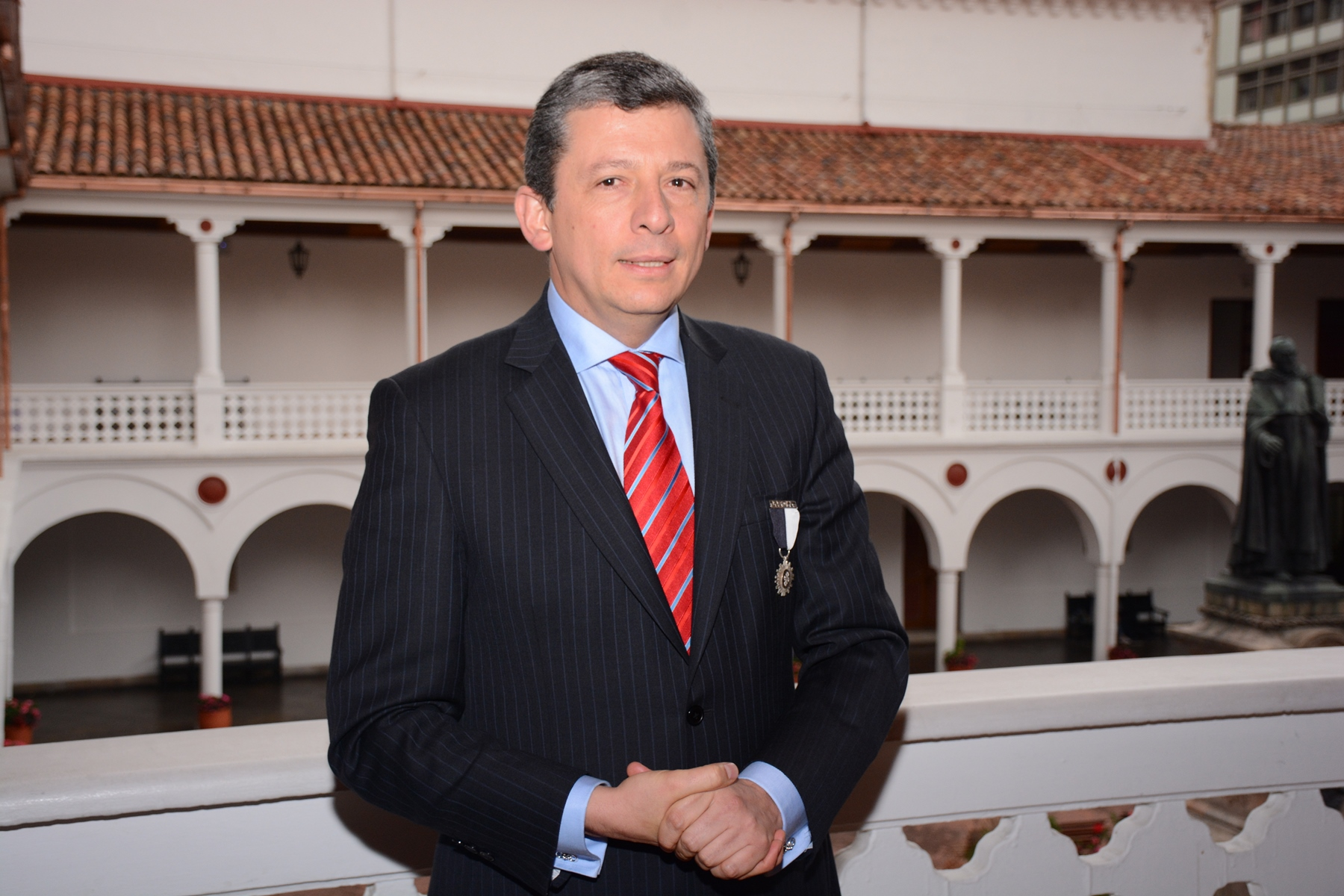
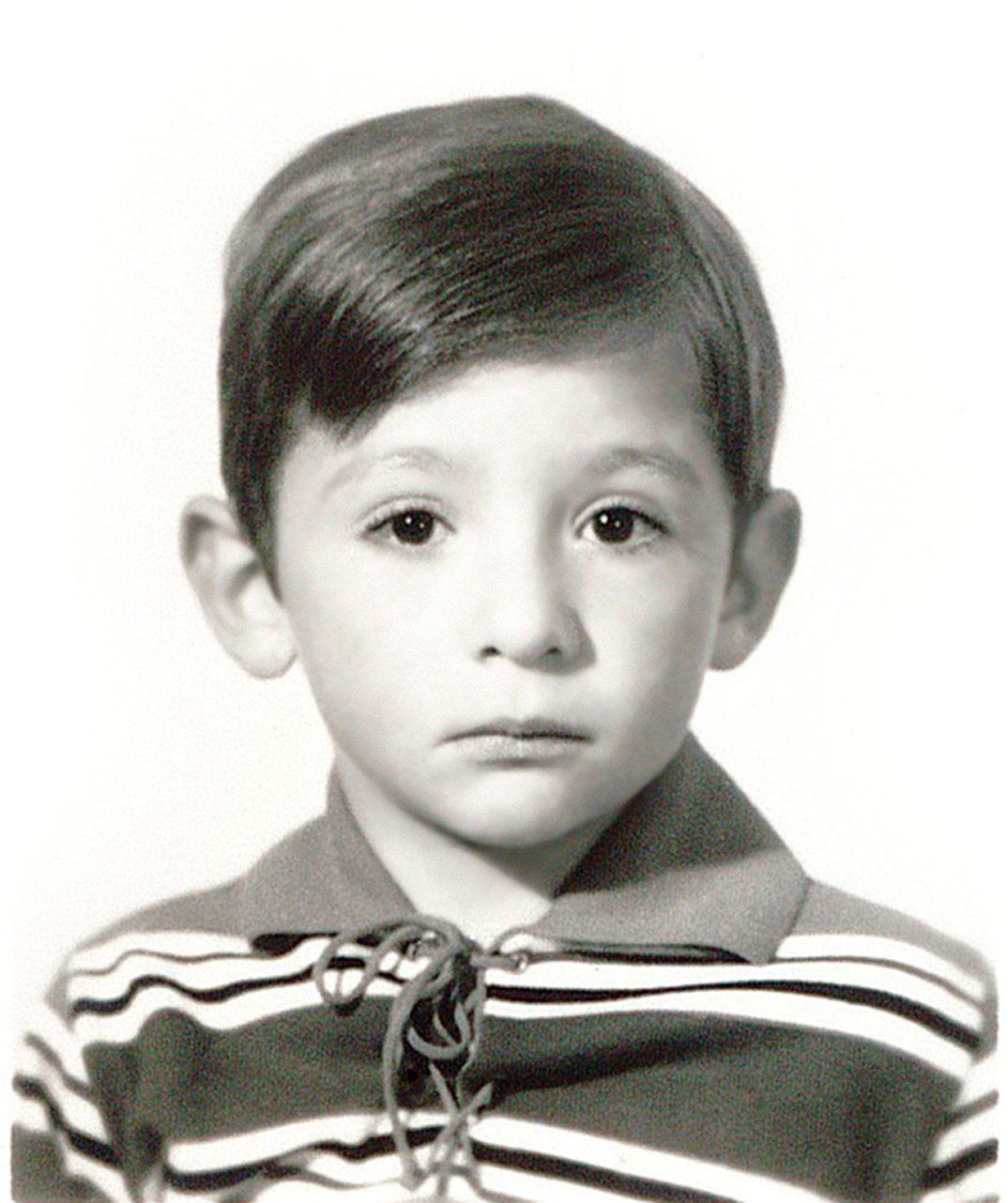
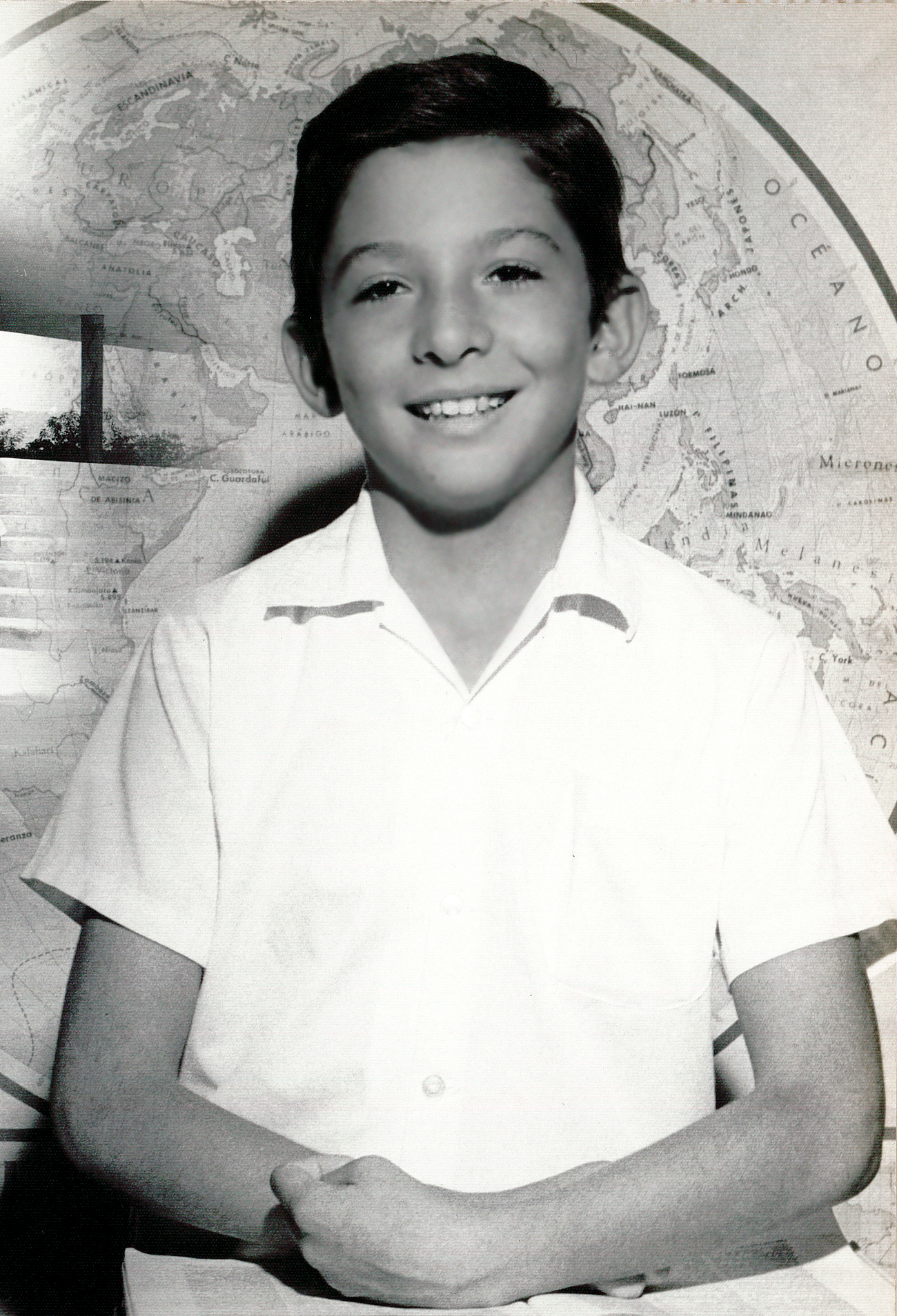
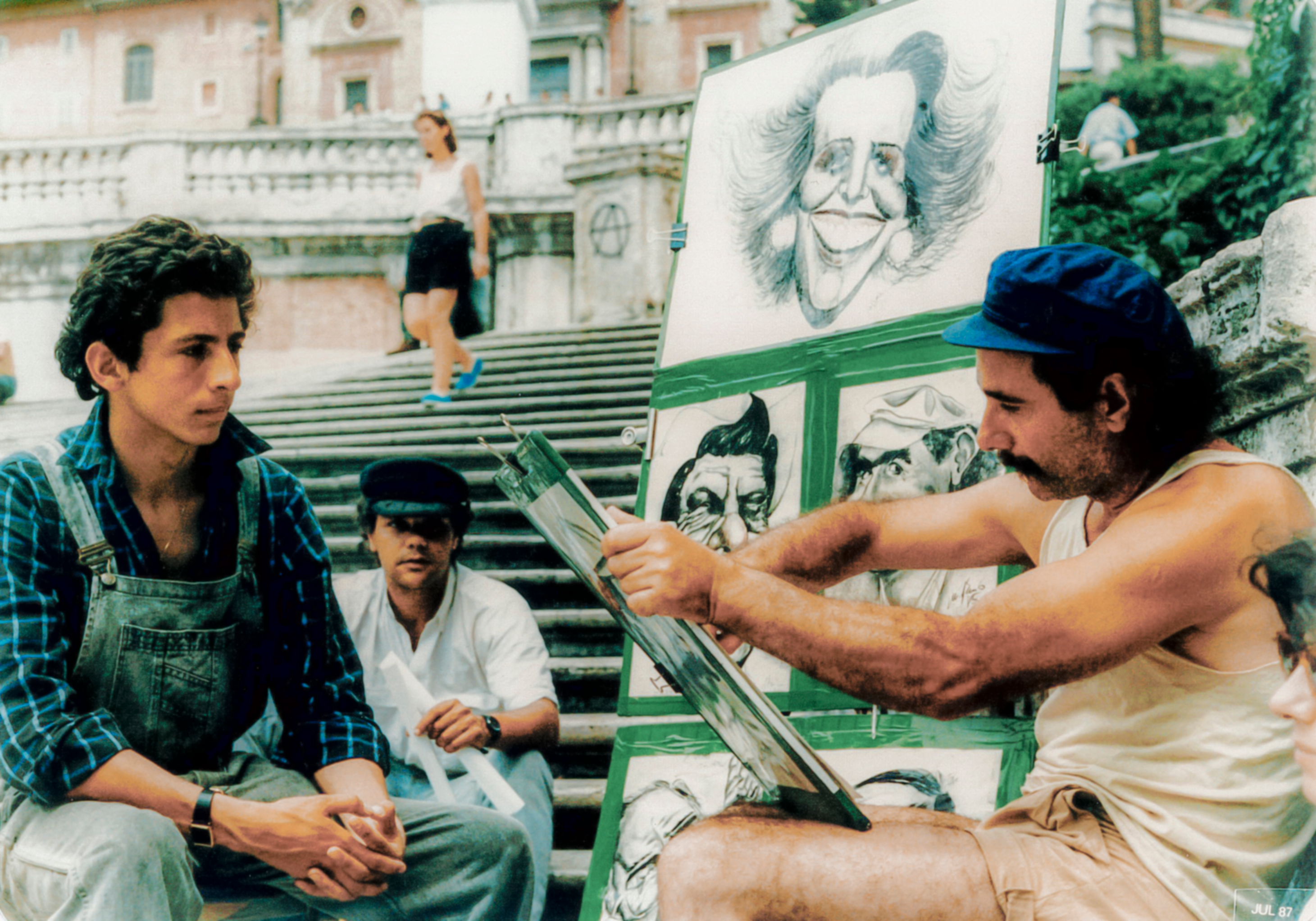
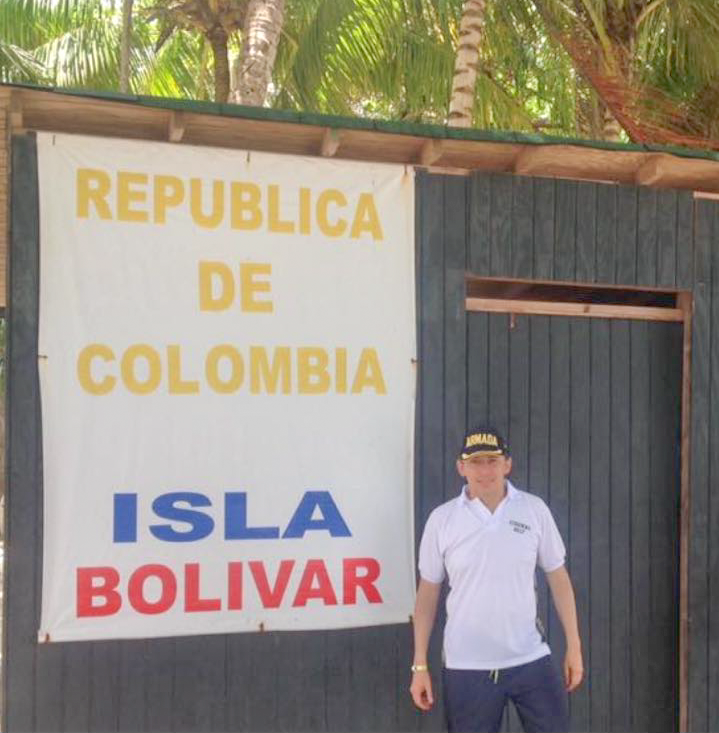
Las Memorias conversadas con Alejandro Cheyne son historias escritas en primera persona por Isa López Giraldo.
ORIGEN
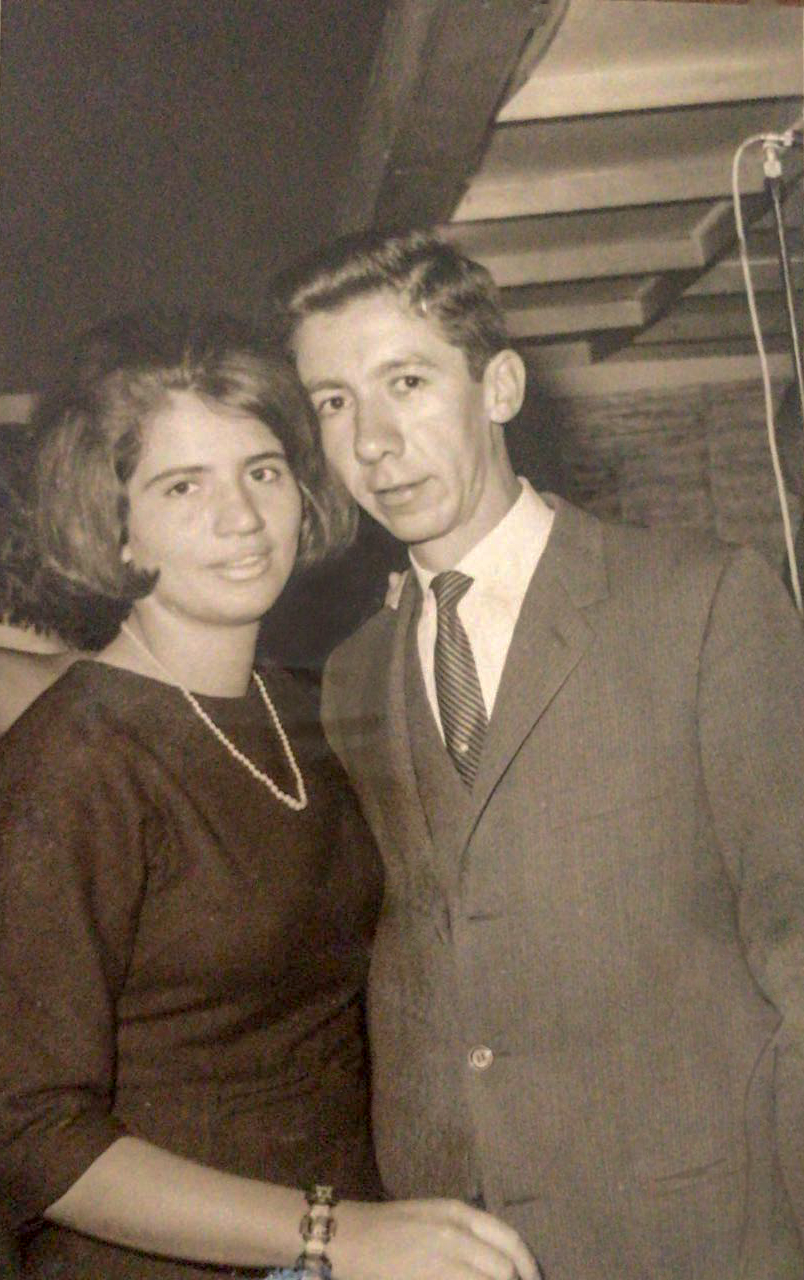
Mi padre toda la vida ha sido una persona trabajadora, por lo mismo de él aprendí lo que significa el trabajo con una vocación de servicio que sin duda, además de contribuir a la creación de un mundo mejor, le permite a la persona perfeccionarse cada día más. Estudió parte de su programa en Ingeniería en Estados Unidos y estuvo vinculado a una multinacional lo cual le permitió vivir en diferentes ciudades para montar fábricas, lo que nos brindó la oportunidad de desarrollar unas competencias muy importantes como familia, una de ellas es la de tener pensamiento global, que es la capacidad de mirar qué está sucediendo en el mundo, para luego implementar las mejores prácticas en lo local. Siempre mi familia ha estado muy comprometida con el país y por lo mismo buscó más oportunidades para Colombia.
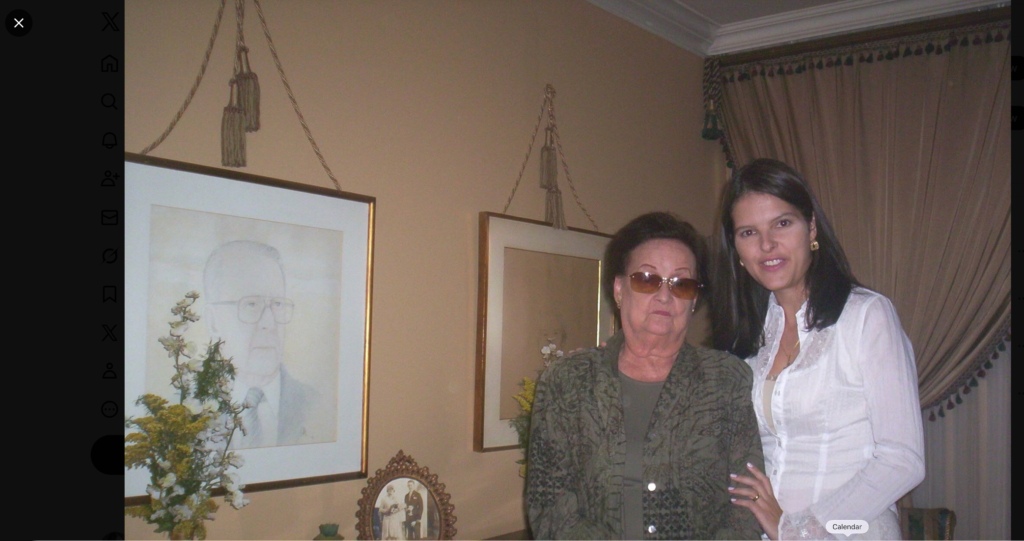
Mi mamá es una artista que se dedicó a criarnos a mi entrañable hermana Martha y a mí y de manera paralela se concentró en desarrollar su vocación. Desde muy pequeño me deleitaba ver cómo pintaba, cómo iniciaba y terminaba sus cuadros; veía ese placer que tenía en sus obras. Ahí hay grandes aprendizajes porque creo firmemente que el arte ayuda en muchas dimensiones, pero hay dos fundamentales: el arte te ayuda a descubrir tu propio yo, pero algo aún más interesante es que el arte ayuda a descubrir el significado de todo lo que te rodea. Si bien es cierto, algunas personas creen que se conocen bien a sí mismas, el arte lo que les permite es ir más allá: tú puede ser que estés todo el tiempo en un lugar, pero no necesariamente conoces dónde estás, porque no tienes la capacidad para apreciar el mundo. Esas son dos enseñanzas del arte que aprendí de mi madre.
ACADEMIA
COLEGIO
Estudié en el Gimnasio Los Cerros, un colegio con inspiración católica. Yo soy muy respetuoso de todas las creencias y creo firmemente que la formación de los valores, sin duda se da en la casa pero es precisamente el colegio el que te deja un sello y a mí me dio el de comprender lo que es la doctrina social, es decir, las enseñanzas de la Iglesia Católica y su aplicación a la realidad social con conceptos muy claros como son la libertad, la verdad, solidaridad, el bien común entre muchos otros que han marcado mi rumbo académico y empresarial.
UNIVERSIDAD DEL ROSARIO
En el año 88 el país atravesaba por un momento complejo, pues empezaba el debate de la inserción de la economía colombiana en los mercados internacionales, la conocida apertura económica, que posteriormente el Presidente Gaviria tomaría como bandera. En esa época todas las noticias hablaban de la importancia que tenía tal suceso, pero pocos parecían saber qué era eso y yo me enamoré de tal reto, lo cual me llevó a estudiar Economía.
Toda la vida fui apasionado por leer periódicos y escuchar noticias, hoy en día no salgo de mi casa sin consultar antes cinco fuentes de información; así pues que, como leo juiciosamente, por culpa de la apertura económica definí mi profesión en la vida.
La Universidad del Rosario ha sido generosa conmigo. Me formó tanto en pregrado como en posgrados, me permitió conocer a mi esposa quien como anécdota fue mi estudiante en el programa de administración de empresas y me ha permitido servirle como profesor y en diferentes cargos de liderazgo durante buena parte de mi vida.
Soy orgullosamente Rosarista de tiempo completo y con mi esposa Olga esperamos que nuestros hijos Tomás, Daniel y Ana también lo sean para que puedan aprovechar de un escenario en donde tú te puedes formar integralmente y obtener una formación muy personalizada.
Cuando el profesor reconoce al estudiante como lo que es, una persona; tú como estudiante reconoces a tus compañeros de clase como personas, lo que significa reconocerse por la formación académica, intelectual, espiritual y física, por el entorno familiar, en general, en todas las dimensiones. Si se tiene esa capacidad, se está en un proceso personalizado. En algunos escenarios académicos existe una distancia enorme entre el profesor y el estudiante, y a su vez entre los mismos profesores, lo cual dificulta el proceso de aprendizaje. Esta diferencia para mí es muy importante, al grado que lo aplico con mi equipo de trabajo que además es muy joven, pero, por encima de todo, busco que sean buenos seres humanos. Esa es la regla fundamental en mi vida y los resultados han sido siempre extraordinarios.
Tuve una suerte enorme y es que estudié con nuestro actual rector José Manuel Restrepo, de quien siempre he aprendido muchísimo por su servicio al bien común. Fuimos compañeros de clases durante cinco años en los que tuvimos la oportunidad de disfrutar del Rosario y aportarle muchísimo. Enfrentamos retos de liderazgo. Para ese entonces fui vicepresidente y posteriormente presidente del Consejo Estudiantil, que es un escenario perfecto como semillero de liderazgo.
Después José Manuel fue nombrado Colegial, posteriormente yo fui nombrado también como Colegial, entonces los dos tuvimos esa oportunidad de servir a nuestra muy querida Universidad en diferentes cargos y momentos durante nuestra vida. Es apasionante cuando encuentras personas en la vida que tienen vocaciones similares y Dios te da la oportunidad de trabajar en equipo al servicio de una noble causa como lo es la educación.
Siempre he creído que lo más complejo en la vida de una persona es descubrir la vocación y ser fiel a ella. Yo soy un hombre afortunado, porque cuando estaba en la Universidad, desde muy joven me empezó a gustar la docencia y fui monitor de cálculo diferencial, integral, entre otras cátedras, con grandes Maestros como el reconocido profesor Jaime García. Cuando me gradué descubrí que quería servir a la sociedad como docente. Hice una especialización en administración de empresas en el Rosario y otra en docencia universitaria, y desde esa fecha a hoy, quizás era 1992 cuando terminé mis estudios de pregrado, no ha existido un semestre en el que no haya sido profesor.
Si tú me preguntas cuál es mi vocación, la respuesta es: la docencia.
Después de eso hice un curso de alta gerencia internacional para conocer bien el sector empresarial, luego mi maestría en pedagogía, más tarde decidí hacer mi doctorado en pedagogía en México. Eso soy yo, un enamorado de la educación y todo lo que hago trato de hacerlo de la manera más pedagógica posible, por eso es que cuando te mostré hace un rato que yo enseño emprendimiento, lo hago usando como pedagogía el arte, porque yo lo tengo desde pequeño con el ejemplo de mi mamá. Trabajo para que todo lo que se haga en la Escuela de Administración y en los diferentes escenarios donde he estado, siempre obedezca a ese lineamiento.
MAESTRO
La academia para mí resulta apasionante. Yo estaba inconforme con un profesor por lo que fui donde el decano de la época y le dije:
— Este profesor es malo por estas razones…
El decano, Miguel Gómez Martínez, a quien admiro muchísimo en su capacidad docente, me escuchó y luego me dijo:
— No vamos a contratar más al profesor, porque tienes razón, los argumentos son sólidos para pedirle que no nos acompañe más, pero con una condición: que tú seas el profesor.
Yo era muy joven, tenía 23 años, pero le dije:
— Yo asumo la cátedra, con toda la seriedad y entusiasmo.
Al semestre siguiente yo asumí la cátedra, y esas semanas siguientes a la conversación fueron larguísimas porque invertí mucho tiempo estudiando y preparando esa materia. Se llamaba ‘Historia Económica’. Lo mejor de todo es que me generó tanto entusiasmo, que con la ayuda del decano, después participé en un concurso internacional y me lo gané. Me fui a España un tiempo a aprender cómo se enseña Historia Económica y estuve en la provincia de Extremadura con toda mi experiencia en esta área. Esto ocurrió el primer semestre en que dictaba una clase formalmente.
He sido fiel a mi vocación. De manera paralela he tenido diferentes cargos de liderazgo en el sector educativo, hoy en día soy el decano de la Escuela de Administración del Rosario, he sido director de la unidad de asesoría empresarial, fui gerente de construcción de la Universidad; fui asistente de la decanatura, vicedecano en la Universidad Sergio Arboleda, Rector durante diez años de Uniempresarial de la Cámara de Comercio de Bogotá a mis 36 años, y renuncié para poder trabajar nuevamente con el doctor José Manuel Restrepo. De forma paralela, siempre he ocupado el cargo de profesor, que es lo que me fascina.
- Hicimos el recorrido físico de la Escuela de Administración donde todo gira en torno al emprendimiento, se ha dedicado al 100 % a la academia, ¿cómo conciliar el ‘mundo real’ con la visión exclusiva de la academia?
Durante mi Rectoría en Uniempresarial como filial de la Cámara de Comercio de Bogotá con un poco más de 700.000 empresas inscritas, logré desde la academia conocer muy bien, pero bastante bien, el sector empresarial de Bogotá y la región, así como sus apuestas productivas de largo plazo.
Esta experiencia me dio un panorama amplio y me permitió enamorarme del emprendimiento, tema sobre el cual hice mi tesis doctoral ‘Emprendizaje solidario’ y quiere decir: cómo aprender a emprender. Desde que la terminé, todo el tiempo pienso en diferentes estrategias pedagógicas para motivar a los jóvenes para que puedan considerar el emprendimiento como un proyecto de vida a través del arte. Para mi mayor suerte, vale la pena mencionar cómo la Cámara de Comercio de Bogotá, además de promover el emprendimiento, también motiva el Arte por medio de exposiciones anuales como ARTBO e itinerantes en sus diferentes sedes desde hace varios años, bajo el liderazgo de María Fernanda, Consuelo y Mónica como presidentes de la CCB, quienes sin duda han contribuido a que Bogotá y la región sean aún mejores.
Luego esta convergencia de emprendimiento, doctorado en pedagogía y amor al arte representan el sello de mi vida actual.
- ¿Es posible describir con palabras la visión del mundo cuando uno tiene arte en su vida?
Hace varias décadas se creía que el arte era para muy pocos, que era para los que lo habían estudiado o tenían un contacto directo. Lo que se ha demostrado es que el arte es para todos y eso lo que hace es que las personas tengan una percepción integral de lo que es el mundo, que en el caso del sector empresarial no solamente es dinero o negocios. Es decir, el arte te da perspectiva.
- Hablar de arte es hablar de principios.
Tal vez el principio en el cual creo más firmemente es en la solidaridad y éste es un arte en sí mismo. Existen muchísimas definiciones de solidaridad pero tal vez la más reconocida es tener la disposición de entregar mucho más de lo que te corresponde y no solo a familiares y a amigos, al círculo que nos rodea, sino a toda la sociedad. Esa es la clave del éxito.
- Sigamos su recorrido de vida.
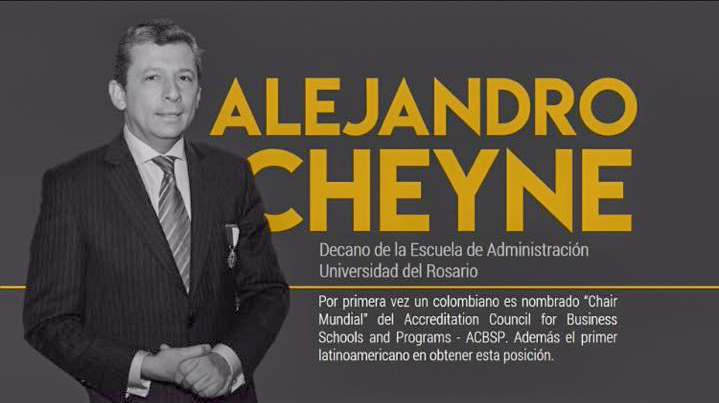
Hace diez años empecé a participar ad honorem en una acreditadora internacional, ACBSP, para servir a la educación global y facilitar a las universidades en el mundo el cumplimiento de estándares internacionales de calidad. He tenido el honor de ser secretario, vicepresidente y presidente para América Latina y a partir de junio como Chair mundial, siendo la primera vez que un latinoamericano ocupa ese cargo desde su fundación hace 30 años. Este logro lo obtuve trabajando de manera desinteresada y pensando siempre con una visión global de la educación. Cuando se tiene un buen ritmo de trabajo, las puertas se abren solas.
Es una experiencia interesantísima. Dios ha sido extremadamente generoso conmigo, me ha entregado más oportunidades de las que siento que merezco. El pensamiento global, trabajar en ambiente universitario, trabajar para el sector empresarial, promover el emprendimiento, sin duda todo esto me ha permitido tener los recursos económicos suficientes para mantener a mi familia y sacarla adelante.
- Para obtener estos logros necesariamente hay una exigencia muy alta detrás, pero hay una suavidad y una calidez en la forma como se manifiesta. ¿Cómo se exige, cómo se reta?
Mira, hay una frase de Picasso que dice:
— Cuando me llegue la inspiración, que me encuentre trabajando.
Hay personas que piensan lo contrario y comienzan a trabajar cuando les llegue la inspiración. Lo que hay que hacer es trabajar y a buen ritmo, así te llegarán las oportunidades y cada vez serán más, solo por seguir tu vocación.
Mi ritmo es bastante agitado. Me despierto a las cuatro y media de la mañana, estoy desde temprano en la Universidad y me acuesto muy tarde después de trabajar en la Universidad y casi siempre compartir mis experiencias con estudiantes de posgrado en las noches. Creo firmemente en la formación integral, razón por la cual dedico hora y media de gimnasio diaria con mis hijos, un tiempo para la formación espiritual participando en la Misa cuando el tiempo me lo permite y por supuesto un tiempo para estudiar arte, siempre procurando estar más tiempo con mi esposa y con mis tres hijos.
- ¿También produce arte?
Soy malísimo para pintar y esa es mi frustración. En mi caso entendí que no tenía una buena pincelada y como no la tengo, logré comprender que la puedo reemplazar por otro tipo de pincelada y la mía es la pedagogía. Te lo puedo asegurar, gracias a la educación, le dejamos una huella significativa al estudiante y a las personas y los convertimos en mejores seres humanos.
- ¿Se celebra y se premia?
Agradezco los reconocimientos generosos que me han otorgado como la Medalla Militar Servicios Distinguidos de las FFMM, Ejecutivo del año de la Cámara Junior, Colegial de Número de la Universidad del Rosario, mejor profesor en diferentes universidades, entre otros, que me llenan de entusiasmo para servir aún más desde mi vocación.
Sin embargo, te quiero compartir mi máxima celebración. No te imaginas la satisfacción. Cuando terminas un curso y los estudiantes te dicen: ¡Gracias!
Gracias por los conocimientos que transmites, sin duda, pero gracias por las enseñanzas. En varias ocasiones me han aplaudido con mi reacción inmediata de lágrimas en los ojos… esa gratitud me llena cada día más después de 25 años como docente.
- ¿Qué meta ha tenido, por la que ha trabajado y que no se le haya dado?
Muchas, sin embargo tengo fe de que en el futuro con un poco más de esfuerzo podré lograrlas. Como ejemplo te puedo compartir mi deseo por estudiar un posdoctorado en actividades de pedagogía del emprendimiento, sin embargo, para aprovecharlo necesito tiempo para reflexionar y para madurar las ideas. Ahora no es el momento, pero seguramente lo tendré y quiero hacerlo en una universidad fuera de Colombia muy fuerte tanto en pedagogía como en emprendimiento para poder también comparar otra cultura emprendedora con respecto a América Latina. Adicionalmente quisiera hacer el posdoctorado con mucha más calma por cuanto el doctorado lo adelanté en la Universidad UPAEP de México durante cuatro años al mismo tiempo que ejercía la Rectoría en Uniempresarial, con viajes mensuales a Puebla, razón por la cual no tenía un minuto libre para descansar e incluso para disfrutar de las experiencias obtenidas.
Sin embargo, tu pregunta me hace reflexionar sobre mi mayor deseo. La respuesta sin duda es poder retribuir los sacrificios que han realizado mis padres, mi esposa y mis hijos por su apoyo incondicional a mi vocación, muchas veces con estrategias pedagógicas “fuera de la caja“. Sin la familia sería imposible mantener el rumbo en esos momentos difíciles que como todo ser humano he tenido.
FAMILIA
Amor y gratitud por una persona discreta, optimista, con temor de Dios y con una generosidad sin límite hasta el punto de sacrificar deseos personales por construir una familia y apoyar mis sueños pedagógicos.
- ¿Qué es lo que más disfruta en la vida?
Las pequeñas cosas y absolutamente todo. Disfruto a mi familia, el ver feliz tanto a mi esposa como a mis hijos, disfruto enormemente la Universidad como escenario de aprendizaje, me alegra observar la cara de satisfacción de un estudiante cuando comprende un reto y todo eso me genera muchísimo bienestar.
- Podría decirse que la condición de todo emprendedor es la frustración. ¿Qué manejo darle?
Hay sueños que no se cumplen en la manera y los tiempos que uno quisiera. Recuerdo que eso me impactaba; sin embargo, con el tiempo lo que he entendido es que los fracasos son oportunidades de aprendizaje. Cuando tú lo miras con esa perspectiva te tranquilizas e inmediatamente comienzas de nuevo pero de una manera diferente y con la tranquilidad necesaria del deber cumplido.
- ¿Cuántas veces levantarse y no por eso dejar de reconocer que se pudiera estar en el camino que no es?
El mensaje en especial para los jóvenes es levantarse sin importar el número de caídas, cuando se ha tenido un problema y no se ha podido enfrentar adecuadamente. Pero también algo que me parece más importante es tener la capacidad de levantarse ante la ovación de las personas.
Para explicártelo: resulta extremadamente peligroso cuando te salen las cosas bien y la gente te aplaude y reconoce, y tú te la crees. En esta situación sí que se necesita realmente volver a lo básico y tener la capacidad de aterrizar en tu condición frágil de ser humano. Creo que ahí está el riesgo de muchos líderes que no se dan cuenta de lo que les está pasando sin comprender que los triunfos son simplemente pasajeros con aplausos y reconocimientos temporales. Es mucho más que eso.
- ¿Cuál es su polo a tierra?
Mi familia sin duda y yo diría que la formación de mi casa, es la que lo aterriza a uno y muestra realmente lo que uno es.
- ¿Cuál es su estilo de liderazgo?
Existen muchos estilos de liderazgo. Cuando uno decide dedicarse a la educación, hay uno que te puede siempre llevar adelante y es el estilo de liderazgo a partir del servicio.
- ¿Qué es servir?
Es entregarte sin límite para la búsqueda permanente del bien común. Si tienes claro el servicio a favor del bien común, el panorama se te aclara. Si buscas trabajar para el bien individual todos los caminos de tu vida se te van a cerrar porque en el largo plazo es una mala inversión y no es sostenible.
- Ahora habló del líder que puede perder la noción de realidad. ¿Qué es la realidad?
Nuestra realidad en Colombia desafortunadamente está permeada por fenómenos de violencia, narcotráfico, guerrilla y corrupción, entre otros. Sin embargo, al mismo tiempo encuentras muchísimas personas que trabajan sin descanso por construir un mejor país. Si tienes la visión de que el mundo puede ser mejor a través de la transformación de las personas, encuentras el camino.
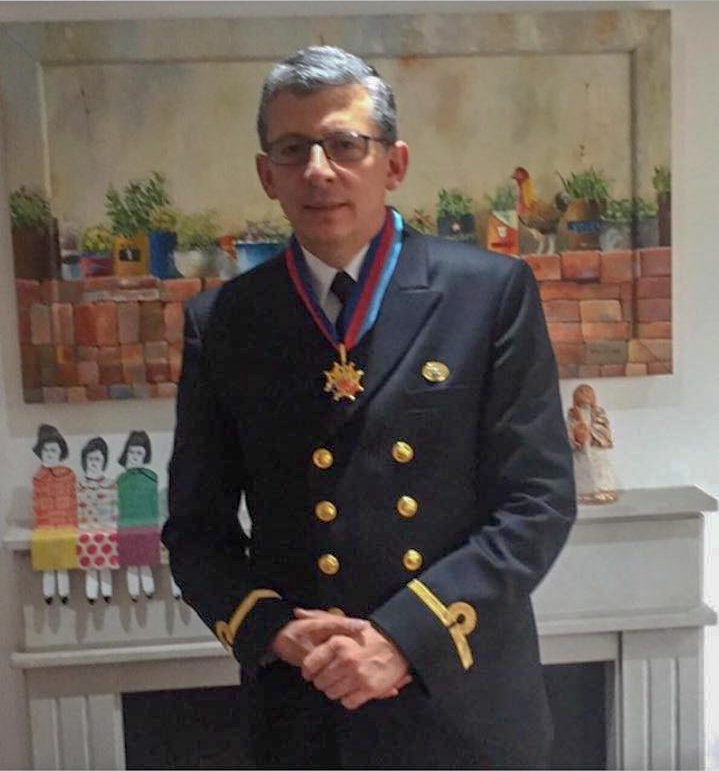
Siempre debemos mantener la esperanza de una mejor realidad. En mi agenda siempre busco un espacio para servir a la Armada Nacional como oficial de la Reserva Naval, en este momento soy teniente y porto el uniforme con mucho orgullo. Una lección muy importante para todos nosotros son los miembros de las Fuerzas Armadas, quienes gracias a su perseverancia, trabajo en equipo y entrega sin límite buscan el bien común a pesar de las dificultades y aspiraciones personales insatisfechas en una realidad tan compleja como lo es Colombia.
- Hay un motor interior muy grande en usted. ¿Qué mensaje transmitir a las personas que todavía no encuentran motivación para las cosas?
Te diría que todo parte de descubrir la vocación y como le digo a mis hijos, hay que invertirle tiempo a eso, así se demoren. Cuando la encuentras debes ser fiel a ella, porque tentaciones para abandonar hay muchas. Si eres fiel a lo tuyo la vida te premia, pero si empiezas como una veleta, a ir a donde te lleva el viento, a donde te lleva la gente, se te pasa la vida sin haber logrado tu proyecto de vida.
- ¿Se ha visto tentado a tomar otros caminos?
Claro. Fíjate que en mi caso, algunas empresas de manera generosa me han invitado a que vaya a trabajar con ellos, seguramente con unos salarios que pueden ser más atractivos, pero lo que tengo claro es que mi vocación es el servicio a través de la educación. Mi participación en otros escenarios obedece a oportunidades de integración entre la academia, sector público y la empresa que tanto requiere nuestro país.
- ¿En qué escenario está pensando?
Hace muchos años tuve la oportunidad de trabajar en el programa Jóvenes en Acción del Plan Colombia desde la Universidad Sergio Arboleda lo cual me permitió trabajar en la articulación entre el sector privado, academia y sector público para incrementar el bienestar de una población vulnerable a través de los mercados inclusivos.
Otro caso interesante es la Presidencia de la Mesa sectorial BPO, KPO, ITO que asumí hace un par de semanas como un espacio de concertación de actores muy importantes del gobierno, academia y empresarios de esta apuesta productiva tan importante para Colombia.
Estos ejemplos lo que demuestran es que existen muchos espacios en donde se puede servir al país, siempre con una perspectiva educativa.
- ¿Hay tiempo para el ocio?
No mucho. La principal restricción que puede tener una persona sin duda es el tiempo, razón por la cual su optimización es una preocupación constante. Un buen ejemplo es mi fascinación por navegar con mi familia, sin embargo el tiempo es tan escaso que solo lo puedo disfrutar por temporadas pero que valoro mucho porque me permite cambiar de escenario y reflexionar sobre nuevas ideas “fuera de la caja“ para la pedagogía del emprendimiento.
- ¿Cuál ha sido el momento más crítico que ha tenido que afrontar?
El más crítico fue personal. Después de un tiempo de estar casado mi esposa quedó embarazada y perdimos ese hijo (silencio).
Entender esta situación es muy complejo. Finalmente solo lo logras cuando tratas de comprender qué es lo que quiere Dios para ti y cuáles son las pruebas que te pone. Ese ha sido un momento crítico, además era muy joven y creía que lo podía hacer todo en el mundo, y ahí te das cuenta que no puedes hacer nada.
Hoy le agradezco a Dios por mis tres hijos Tomás, Daniel y Ana. Sin duda aprecio el valor de la vida y respaldo iniciativas que la defiendan.
- ¿Qué es un lienzo en blanco o un papel en blanco frente a usted?
Un lienzo en blanco. Me lo imagino, comienzo a buscar posibilidades para generar significados y sin duda los encuentro fácilmente. El valor de una obra de arte está dado por la relación que existe entre la obra y quien la admira, por tanto esa percepción con su significado le da un valor que no tiene precio en el mercado.
Como lo comenté por mis compromisos académicos debo viajar frecuentemente. Casi siempre en las ciudades busco el mercado callejero de artistas y me siento a hablar con el artista, me explica su obra y se la compro, y la pongo en mi casa feliz, no por el precio que tiene sino por el significado. La creación del mundo ya está dada, pero somos los seres humanos desde cada una de nuestras profesiones quienes le asignamos significado a cada uno de sus componentes.
- Hablando de significado, ¿cuál es el sentido real de la existencia?
Existe un fin trascendente, en mi caso lo creo firmemente y me motiva con mucho entusiasmo para trabajar con más dedicación en los fines temporales como son servirle a la comunidad, a mi familia, y como soy tan cercano a la Armada Nacional, servirle a la Patria.
- ¿Siempre se está revisando, evaluando?
La autoevaluación es permanente y te permite ajustar el rumbo pero siempre construyendo sobre lo construido. No creo en la revolución sino en la renovación. Revolución es cuando acabas con todo lo que existe mientras en la renovación se construye sobre lo que ya existe. Gracias a la innovación los seres humanos tenemos la capacidad de renovarnos siempre al servicio de los demás.
- ¿Qué es el vacío?
Yo asocio el vacío a una superficialidad de las personas que se dejan guiar por la moda, seguramente por la cantidad de información sin capacidad de análisis que demanda. Es lo que algunos autores llaman la híper modernidad para ir en la ola aparentemente ganadora, pero éstas apariencias se revientan y quedas en cero.
- ¿Se ha sentido limitado?
Muchísimo, porque hay tantos sueños por cumplir y a veces sientes que tienes restricciones presupuestales, de tiempo, salud, entre muchas otras que pueden poner en riesgo tus proyectos. Lo emocionante en la vida es precisamente lograr el óptimo entre tu sueño y tus limitaciones, es decir, hacer lo que más puedas para buscar tu sueño con lo que tienes.
La obra “Los jugadores de cartas” de Cézanne me fascina. Muestra unas personas jugando cartas, bastante concentrados sin duda con el ánimo de ganar. Esta obra la utilizo en mis clases de emprendimiento para recordar a los jóvenes que el ganador no es al que le salen las mejores cartas y el perdedor no es al que le salen las cartas malas sino, por el contrario, el ganador es el que puede, con toda la pasión y la estrategia, aprovechar las cartas que tiene.
Dios me ha dado unos talentos y con esas cartas he jugado mi vida.
- ¿Qué es la felicidad?
Es tener la capacidad para descubrir tu vocación y ser fiel a ella.
- ¿Y qué es la plenitud?
Esa es una buena pregunta. Fruto de nuestra mortalidad supongo es la satisfacción del deber cumplido y el buen uso de los talentos recibidos al servicio de los demás.
- ¿Qué dejar en las personas que se acercan a usted?
Yo creo que les dejo mi pincelada pedagógica y la inquietud de que todos podemos ser mejores seres humanos.
- ¿Qué debería decirse el día de mañana de Alejandro Cheyne?
No lo sé, no lo sé…
El arte de emprender solidario siempre al servicio de los demás.
Qué bonito sería.
Alejandro luego reemplazó a José Manuel Restrepo en la rectoría de la Universidad del Rosario, cargo del que salió para dedicarse a brindar asesorías.
ENGLISH VERSION
Tell me about your origins….
My father has always been a worker person that is why I learned from him the meaning of work with a vocation of service. Undoubtedly this vocation contributes not only to the creation of a better world, but also allows the person to improve each day more. He studied part of his engineering program in the United States and worked in a multinational that was really interesting because he had the chance to live in different cities building factories. This job gave us the opportunity to develop very important skills as family; one of the most important is the global thinking which is the capability to see what it is happening around the world and apply it in the local place. My family has always been committed with the country for the same reason we looked for more opportunities to Colombia.
My mom is an artist that dedicated her life to raise my sister Martha and me; in a parallel way she was able to develop her vocation. Since I was a kid I was delighted to see how she painted, how she started and finished her paintings; I used to see the pleasure she had in her works. From that experience I learned that art can help in several ways, but there are two fundamental things: art helps to discover your own self, but there is something more interesting and it is that art helps to discover the world around you. It is true that some people think they know themselves very well, but art allows them to go further. You could be in the same place all the time but it does not necessary mean that you know where you are and it is because people do not have the capacity to appreciate the world. Those are two characteristics of the art that I learned from my mother.
• What does the Universidad del Rosario means in your life?
The Universidad del Rosario has been very generous with me, I did my undergraduate and graduate program there. It allowed me also to meet my wife that, as an anecdote, she was my student in the program of business administration. Also the University has given me the honor to be a teacher and to work in different roles of leadership during an important time of my life.
I’m so proud to be a Rosarista of full time, with my wife Olga we would like that our kids Tomas, Daniel and Ana, can be too and that could take advantage of a scenario where you can receive a personalized education with integrity.
• What do you mean with personalized?
Let me get that point clear. It is when the professor recognizes the student, as he or she is, a person. You as a student recognize your classmates, as they are persons, it means recognize them for their academic formation, intellectual, spiritual, physical, for their family circle, in general in all dimensions. If you have this capability, you are in a personalized process. In some academic scenarios there is a huge distance between the professor and students, and also with other professors, which can make the learning process very difficult. This difference is very important to me, at the point that I apply it with my work team that is very young, but about all I look that they are good people. That is a fundamental rule in my life and the result has always been extraordinary.
• What else did you study?
After that, I did a course of international senior management to get to know well the business sector. Then I did the master’s degree in pedagogy; later on I did my doctoral degree on pedagogy in Mexico. That is me, a person in love with education and everything I do I try to do it the most pedagogically possible, that is why when I showed you a few minutes ago that I teach entrepreneurship, I did it using art as a pedagogy, because I have that focus since I was a kid thanks to my mom. I work to show that everything that can be done in the School of Business or in the different scenarios where I have been, always follow that guideline.
• How was the experience of teaching for the first time?
Exciting! Let me tell you the story. At that time I was unhappy with a teacher so I went to the Dean’s Office of the time and I said:
This professor is not good for these reasons….
The Dean, Miguel Gómez Martínez, listened carefully to me and said:
We will fire the professor because you are right, your arguments are enough to ask the professor to not continue with us but I just have an additional condition: you will be the new professor.
I was really young I was 23 years old so I said:
I will assume it with all the responsibility
For the next semester I was the professor of the class. The following weeks were really long and hard because I dedicated a lot of time studying and getting all the information I needed. The name of the class was “Economy History”. The best of all is that I did it so good that with the Dean’s help I participated in an international competition and I won! I went to Spain for a while to learn how to teach this class and I was in the providence of Extremadura. This happened the first semester when I was formally teaching.
• What other positions have you occupied?
Look I have always been very loyal to my vocation. In one way or other I have had different positions of leadership in the education sector. Today I’m the Dean of the School of Business at Universidad del Rosario. I have also worked as Director of the business advisory unit, Construction manager of the university in the Claustro, Dean´s Assistance and vice-dean in another university and President for over 10 years at Uniempresarial, the University of the Chamber of Commerce of Bogotá when I was 36 years. I have worked in different roles from being a professor, which is what I love, to the ones I mentioned before.
• We walked all over the School of Business where everything turns around entrepreneurship. You have dedicated 100% of your life to the academy. How to reconcile the ‘real world’ with the exclusive vision of the academy?
During the time that I was President of Uniempresarial, affiliate member of the Chamber of Commerce of Bogotá with a little bit more of 700.000 companies subscribed, I get to know very well the business sector thanks to the academy. After that I could understand the long-term productive projects of Bogotá and the region.
This experience gave me a big picture that allowed me to love entrepreneurship, main topic of my doctoral thesis from a solidary focus. Since I finished my doctoral degree I think all the time in different pedagogical strategies to motivate young people to consider the entrepreneurship as a project of life through art. Luckily, I can tell you that the Chamber of Commerce of Bogota not only promotes entrepreneurship but also promotes art through annual exhibitions as ARTBO or mobile exhibitions.
This convergence of entrepreneurship, my doctorate in pedagogy and my love for the art represent the hallmark of my current life.
• Is it possible to describe with words the vision of the world when you have art in your life?
Long time ago people used to think that art was for few people that it was only for people that had studied or had a direct contact with it. What it has been showed is that art is for everybody and it makes that people could have a comprehensive perception of what the world is, in the case of the business sector that it is not all about the money or business. I mean art gives perception.
• Talking about art is to talk about values?
Maybe the value that I believe the most is the solidarity and this is an art in itself. There are a lot of definitions of solidarity but maybe the most famous is to give more than it corresponds and not only to your family, friends or people that surrounded you, but also to the society. That is the key to be successful.
• Let’s continue with your live experiences…
I started 10 years ago participating in an international accredited firm called ACBSP, just to work for the global education and to facilitate to the universities the compliance of high international quality standards. I have had the chance and honor to work as a Secretary, Vice-president and President for the Latin-American chapter and on June 2018 I assume the position of Global Chair of this Global firm, being the first Latin-American person that occupy this position since its foundation 30 years ago.
I have met wonderful people that have taught me a lot about education. After meeting them I have confirmed that education is the key to change the society. In Latinamerica Daniel and Wilfredo; in USA Dewayne and Anthony; in Canada the current Chair Mary; and the CEO and leader of ACBSP Jeffrey Alderman. All of them confirm once more our vocation for education.
• How did you make it?
It has been the result of working without expecting anything back, helping with work. When you have a good pace of work the doors open by itself.
• How do you feel? I see a smile in your eyes
Yes, it is a very interesting experience. God has been very generous with me because all what I have wanted I have had it. The global thinking, working in a university or in a business sector environment and promoting entrepreneurship have allowed me to have all the resources to support my family.
• To obtain these goals there’s always a huge effort behind all, but there’s is a softness and warmness in the way you talk, how do you challenge yourself?
There is something that Picasso says: “Inspiration exists, but it has to find you working”.
Normally people think the opposite. They start working when they are inspired but they should start working in a good pace so that way all the opportunities will come in several ways, just because you are doing it with effort and vocation.
The way I do it is to wake up at half past four in the morning; I go to sleep around half past eleven night. I arrive early morning in the university; I do exercise an hour and a half with my kids. I think it is very important the spiritual life so I go to church when I can. I like studying art so I spend a lot of time doing it. Of course I would live to spend more time with my wife and my kids.
• Do you paint?
I’m very bad at painting that’s my frustration. In my case I understood that I did not have a good brushstroke and since I do not have it I understood that I can replace it with another type of brushstroke and mine is the pedagogy. I can assure you that, with what we do here, we leave a mark in the students and people and we make of them a better human being.
• When you finish something do you celebrate it and then give yourself some reward for it?
I appreciate the generous awards that I have receive like the Military Medal for Distinguished Services of the MMFF, Executive of the year of the Junior Chamber, Colegial de Numero of Universidad del Rosario, best professor in different universities, and more that fill me with enthusiasm to serve even more from my vocation.
Nevertheless, I would like to share with you my biggest celebration. You have no idea the satisfaction when you finish a course and the students say:
— Thank you!
Thank you for the knowledge that you provide, without doubt, but thank you again for your teaching. Sometimes I have been applauded and my immediate reaction is tears on my eyes … That gratitude fills me up every day after 25 years that I have been a professor.
• Which goal have you obtained, one where you had you been working on and you haven’t got it?
A lot, however I have faith that in the future with a little bit more of effort I would make it. As example I could share with you my desire to study a postdoctoral degree in pedagogy activities of entrepreneurship, but to do it I need time to reflect and make the ideas stronger. Now it is not the right moment but surely I will have the time to do it in a university outside of Colombia to be able to compare the cultures of entrepreneurship in Latin America. Additionally, I would like to do the postdoctoral degree with extra time. When I did the doctoral process en Universidad UPAEP in Mexico, during four years, I was the President of Uniempresarial, with monthly travels to Puebla so I could not have the time for some rest or also enjoy the good things that were happening in my life.
Your question makes me think about my biggest wish. The answer without a doubt is to be able to compensate the sacrifices that my parents, my wife and my children have made for their unconditional support for my vocation, often with pedagogical strategies “out of the box”. Without my family, it would have been impossible to keep the focus in those difficult moments that I have had.
• What do you enjoy the most in your life?
What I enjoy the most is the little things and absolutely everything. I enjoy my family, to see my wife and my kids happy. I enjoy the university as a learning scenario and it is wonderful to see the face of satisfaction when a student understands a challenge. That makes me happy and it gives me wellness.
• We may say that the condition of every entrepreneur is the frustration. How to deal with it?
There are some dreams that don’t come true in the way or time we would like to. It used to shock me! Nevertheless, with the time I have learned that each failure is an opportunity of learning. When you look with this perspective you take it easy and you immediately start again but in a different way and with the satisfaction of the work done.
• How many times you have to get up and why not stop recognizing that you could be on the wrong road?
The message is especially for young people, to invite them to get up without caring how many times they fall or when they may have had a problem and they have not been able to face it in the right way. But there is something that I admire the most and that is the capability of getting up to the ovation of the people.
To explain it better, it is extremely dangerous when everything goes good for you and people applaud you and recognize you and you believe that. In that situation you really need to go back to the basics and have the capability to land off in your fragile condition of human being. I think that is the risk that many leaders do not realize what is happening with them so they could not understand that those triumphs are ephemeral, with applauses and recognitions. It is more than that.
• What kind of leadership do you apply?
There are many styles of leadership. When you decide to dedicate your life to education, there is one that can take you always on top and that is the leadership of service.
• What is it to serve?
It is to give without limits for the permanent search of the common benefit. If you have clear the service to the common benefit, the view gets clear. If you look for working for the individual perspective, all the roads of your life may get close because in the long term it is not a good investment and it is not sustainable.
• There is a big motivation in you. What message would you send to the people that have not found a motivation on life?
I would say that it is important to discover your vocation and as I tell my kids you need time to do it, even if it takes long. When you find it you need to be loyal to it, because there are many temptations to quit. If you are loyal with what you do, life gives you rewards. But if you start as a vane, to go where the wind wants to take you or where people want to take you, your life goes without making your project.
• Tell me about the most critical moment you have had to face in your life.
The most critical moment was very personal. After a time of being married my wife got pregnant and we lost that child. (Silence)
Understand that situation is not easy. You can finally make it when you try to understand the purpose of God in your life and which are the challenges he may want you to face. It was a critical moment and additionally I was very young so I thought that I can do everything in the world, and then you realized you couldn’t do anything.
Today I thank God for my three kids Tomas, Daniel and Ana. I certainly appreciate the value of life and I support initiatives that defend it.
• Are you always reviewing or evaluating yourself?
The self-assessment process is permanent and allows you to adjust the course of your life but always building on the built. I do not believe in the revolution but I believe in the renovation. Revolution is when you finish with everything that exists and renovation is building on something that already exists. Thanks to innovation people have the ability to always renew themselves at the service of others.
• What is the emptiness?
I associate the emptiness with a people’s superficiality in which they can be guided by fashion, probably for the amount of information that could not be processed or analyzed. It is what some authors call the hyper modernity to go in the winning wave but sometimes they break and people are left with zero.
• Have you ever felt limited?
Very much, there are many dreams to accomplish and sometimes you feel some kind of restrictions like money, time, health and many more that can put in risk your projects. The exciting thing in life is precisely to achieve the optimum between your dream and your limitations, that is, to do what you can to find your dream with what you have.
The picture “The Card Players” by Cézanne fascinates me. It shows some people playing cards, with the intention of winning of course. I use this paint in my entrepreneurship classes to remind young people that the winner is not the one who gets the best cards and the loser is not the one who gets the bad cards, on the contrary, the winner is the one who can, with all the passion and strategy, take advantage of the cards they have.
God has given me some talents and with those cards I have played my life.
• What is plenitude?
That is a good question. Due to our mortality I guess it is the satisfaction of the duty fulfilled and the good use of the talents received at the service of others.
• What should be said tomorrow of Alejandro Cheyne?
I do not know, I do not know…
The art of entrepreneurship always at the service of others.
How nice it would be!!